




Transform Your Home with the Perfect Furniture Selection
- Joshua Brett
- Aug 18, 2025
- 3 min read

Choosing the right pieces for your living space can completely transform the atmosphere and functionality of your home. Whether you are moving into a new place or simply refreshing your current environment, selecting the perfect home furniture selection is key to creating a space that feels both comfortable and stylish. This guide will walk you through practical tips and ideas to help you make informed decisions that suit your lifestyle and aesthetic preferences.
Understanding Your Space and Needs for Home Furniture Selection
Before diving into the world of furniture shopping, it’s essential to assess your space and understand your needs. Start by measuring the rooms where you plan to place new pieces. Knowing the dimensions helps avoid buying items that are too large or too small.
Consider how you use each room. For example, a family room might need durable seating and storage options, while a bedroom could benefit from cozy, relaxing furniture. Think about your lifestyle - do you entertain often? Do you need multi-functional pieces for a small space? Answering these questions will guide your choices.
Tips for assessing your space:
Use a tape measure to get accurate room dimensions.
Sketch a floor plan to visualize furniture placement.
Identify focal points like windows, fireplaces, or built-ins.
Note traffic flow to ensure easy movement around furniture.

Key Elements to Consider in Home Furniture Selection
When selecting furniture, several factors come into play beyond just style. Comfort, durability, and functionality are equally important. Here are some key elements to keep in mind:
Material and Build Quality
Choose materials that match your lifestyle. For example, leather sofas are durable and easy to clean, making them ideal for homes with kids or pets. Solid wood furniture offers longevity and timeless appeal but may require more maintenance.
Style and Aesthetic
Your furniture should reflect your personal taste and complement your home’s architecture. Whether you prefer modern minimalism, rustic charm, or classic elegance, consistency in style creates a cohesive look.
Color and Texture
Colors can influence mood and perception of space. Light colors make rooms feel larger and airy, while darker tones add warmth and intimacy. Mixing textures like smooth leather with soft fabrics adds depth and interest.
Functionality and Flexibility
Look for pieces that serve multiple purposes, especially in smaller homes. A sofa bed, storage ottoman, or extendable dining table can maximize space and utility.
Budget Considerations
Set a realistic budget before shopping. Prioritize investment in key pieces like sofas and beds, and consider more affordable options for accent furniture.
How to Choose the Right Pieces for Each Room
Each room has unique requirements, and selecting the right furniture can enhance its function and style.
Living Room
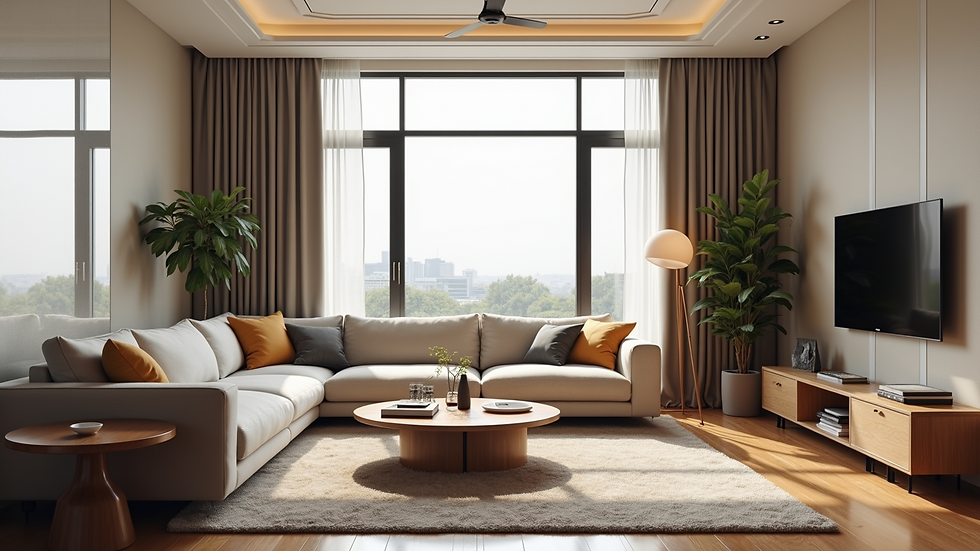
The living room is often the heart of the home. Start with a comfortable sofa that fits the space. Add chairs, coffee tables, and media units that complement the sofa and provide practical use.
Dining Room
Choose a dining table that suits your family size and entertaining habits. Chairs should be comfortable for long meals. Consider extendable tables for flexibility.
Bedroom
Focus on a quality bed with a supportive mattress. Nightstands, dressers, and wardrobes should offer ample storage without overcrowding the room.
Home Office
Select ergonomic chairs and desks that promote productivity. Storage solutions like shelves and filing cabinets keep the space organized.
Outdoor Spaces
Weather-resistant furniture is a must for patios and gardens. Look for materials like treated wood, metal, or synthetic wicker.

Tips for Mixing and Matching Furniture Styles
Creating a harmonious look doesn’t mean all your furniture must match perfectly. Mixing styles can add personality and interest to your home. Here’s how to do it tastefully:
Start with a neutral base: Use neutral colors for large pieces and walls.
Add statement pieces: Incorporate bold or vintage items as focal points.
Balance proportions: Mix large and small furniture to maintain visual balance.
Use color to unify: Repeat accent colors in different pieces to tie the room together.
Play with textures: Combine smooth, rough, shiny, and matte surfaces for depth.
Where to Find Quality Furniture for Your Home
Finding the right place to shop is crucial. Look for stores or online shops that offer a wide range of styles, good return policies, and customer reviews. For example, furniture retailers with expert advice can help you make the best choices.
Consider local artisans or custom furniture makers if you want unique pieces tailored to your space. Don’t forget to check for sales and discounts to get the best value.

Final Thoughts on Transforming Your Home with the Perfect Home Furniture Selection
Transforming your home with the right furniture is an exciting journey that combines creativity and practicality. By understanding your space, focusing on quality and style, and choosing pieces that fit your lifestyle, you can create a home that is both beautiful and functional. Remember to take your time, plan carefully, and enjoy the process of making your space truly yours.


Comments